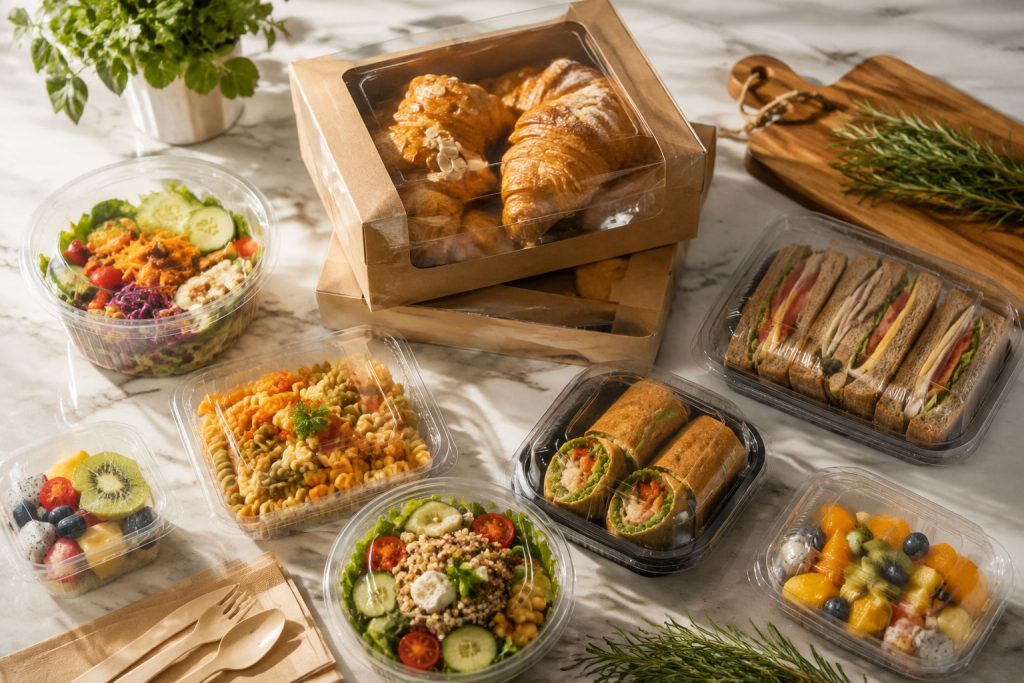
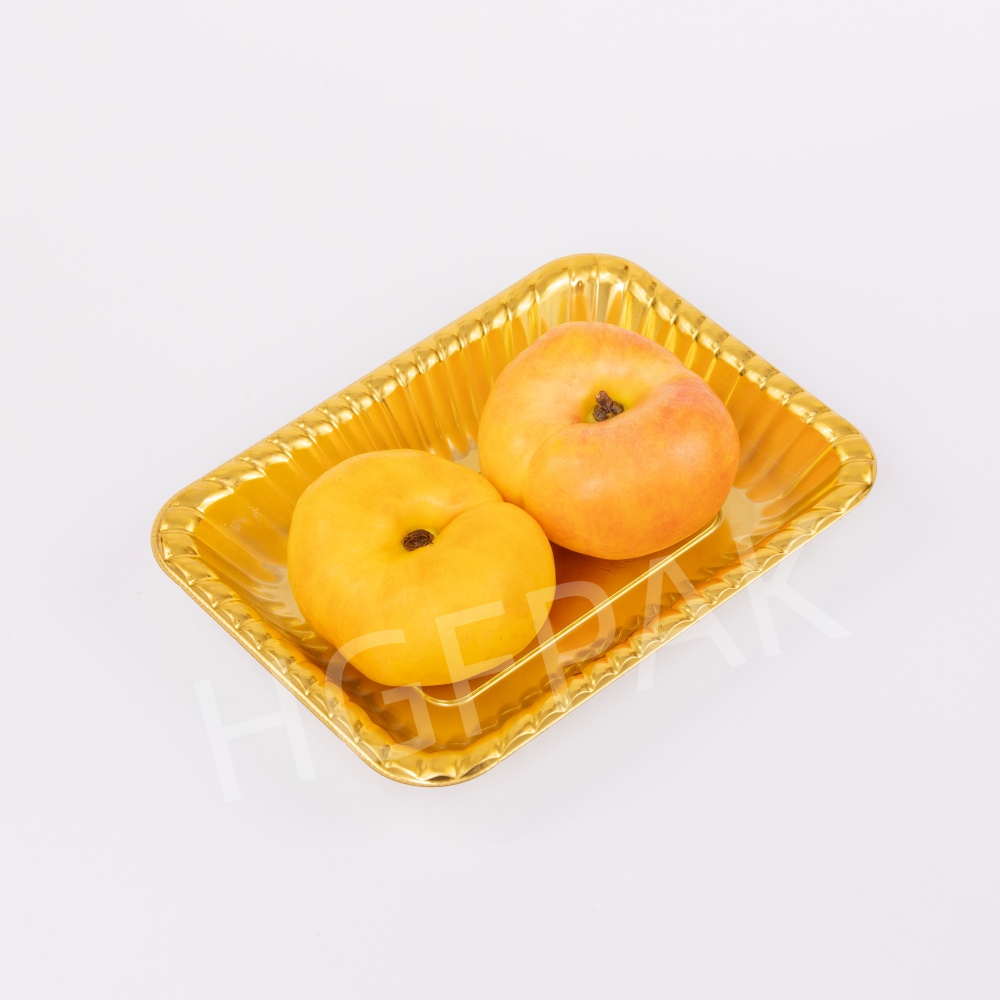
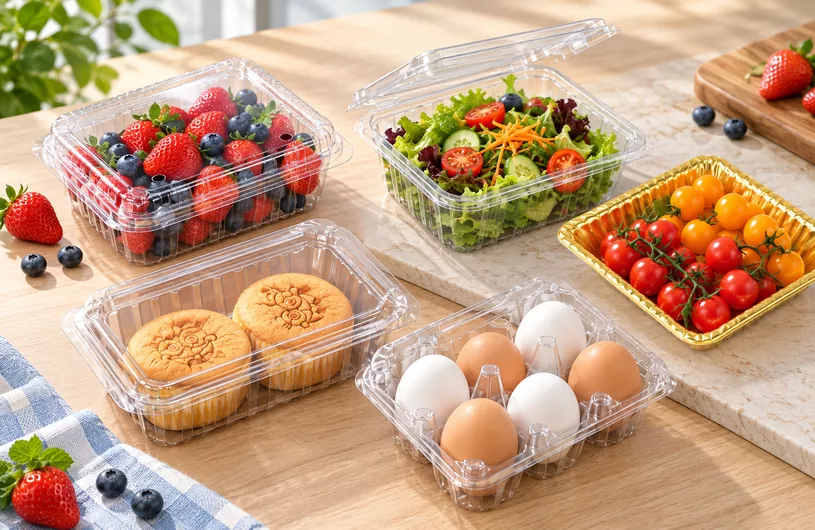
In the competitive world of fresh produce retail, packaging plays a decisive role in shelf appeal, food safety, and supply chain efficiency. Among the materials available today, polyethylene terephthalate (PET) has emerged as the clear industry favorite. Here is why leading growers, distributors, and retailers are choosing PET for their fruit, vegetable, and deli packaging needs.
Crystal-Clear Product Visibility
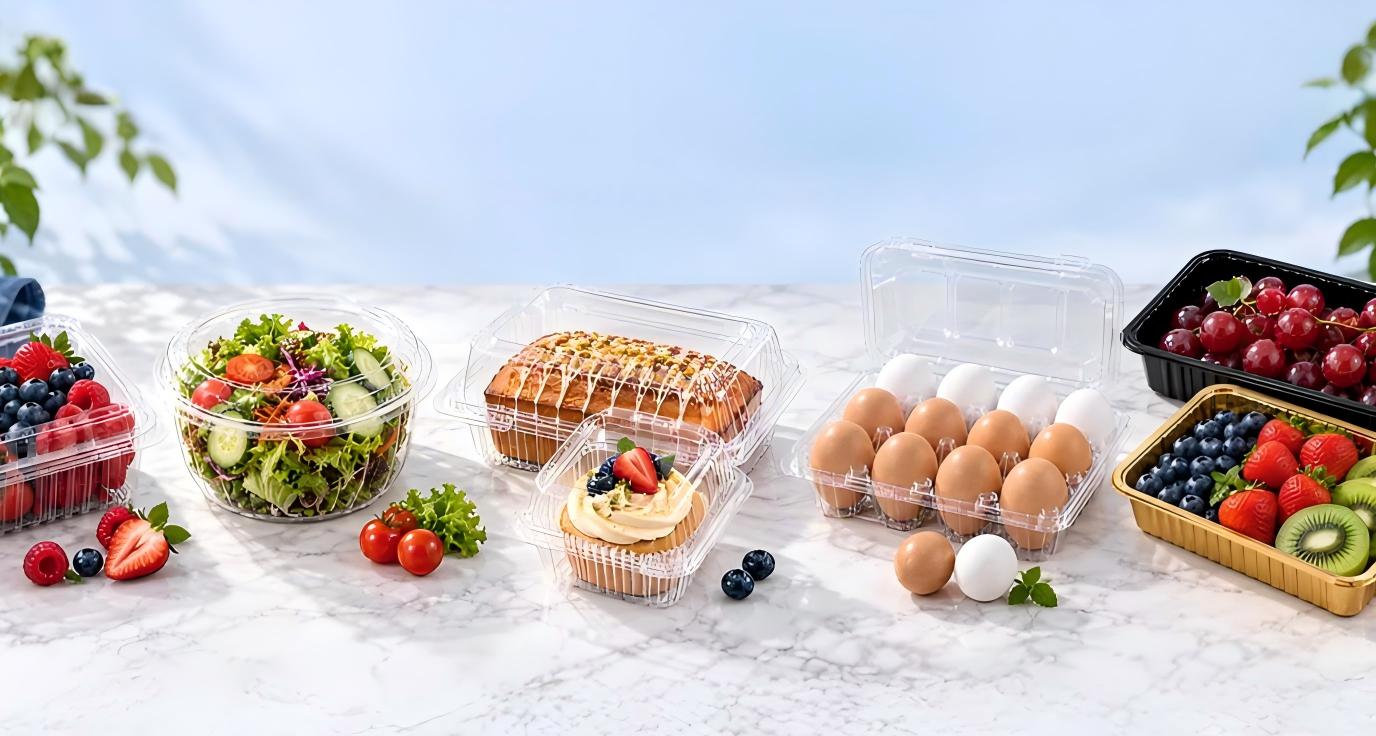
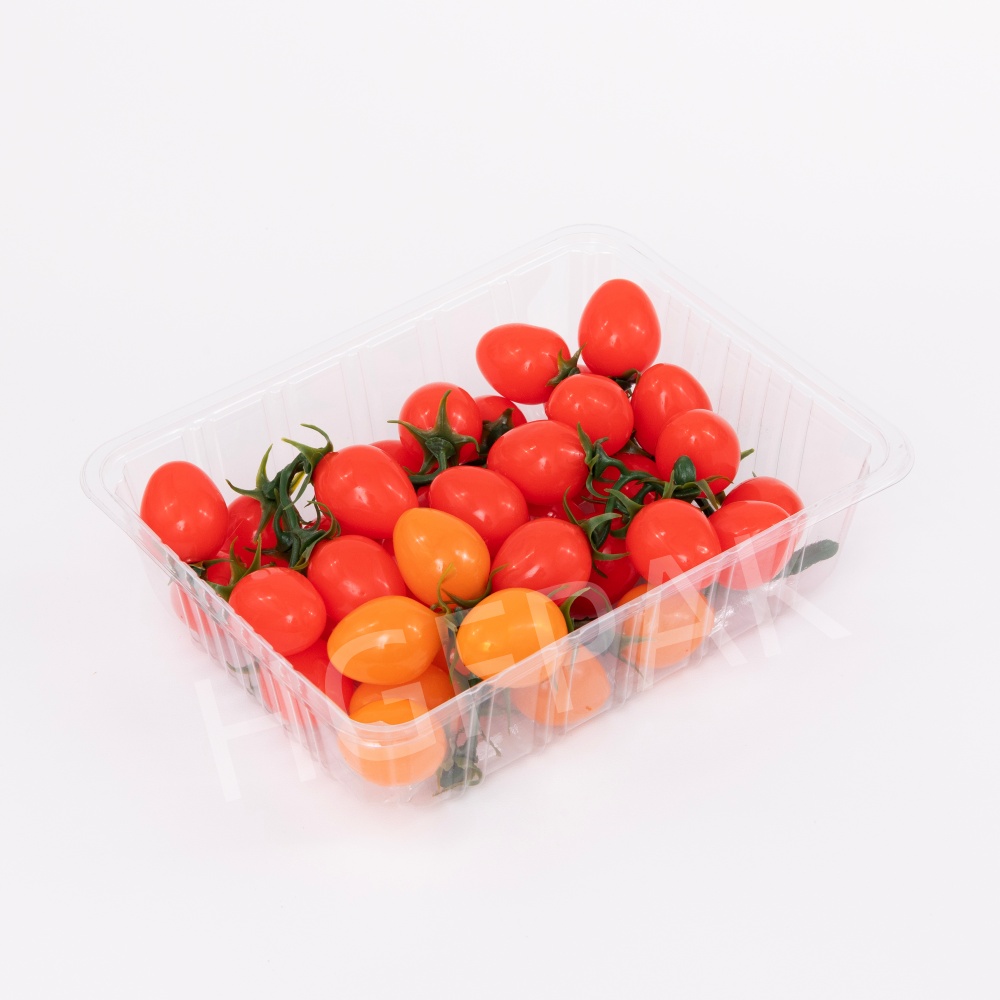
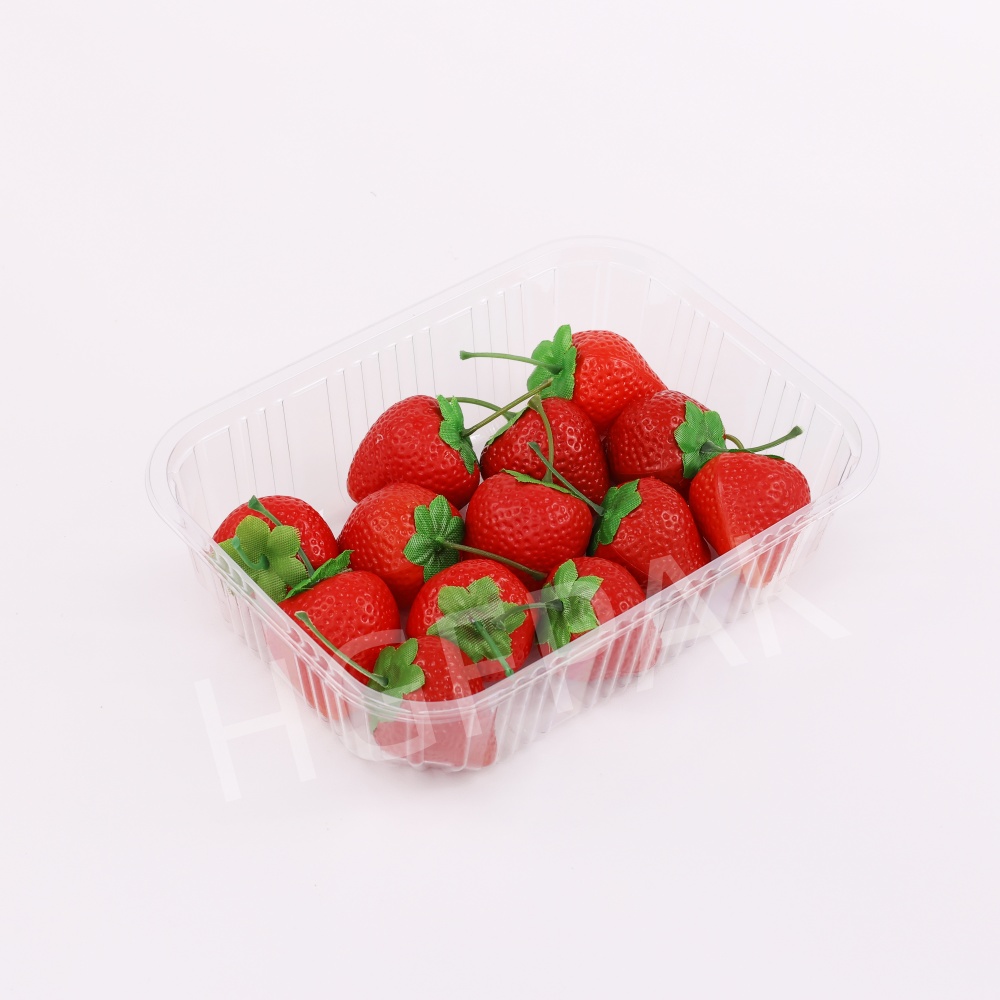
One of PET’s most valued properties is its exceptional optical clarity. When consumers browse refrigerated produce aisles, they rely on visual inspection to judge freshness and quality. PET containers offer glass-like transparency that allows the natural color and texture of fruits, salads, and sliced items to shine through without distortion. This transparency directly influences purchasing decisions, with studies consistently showing that clear packaging increases consumer confidence and impulse-buy rates compared to opaque alternatives.
Unlike some plastic materials that develop a hazy or yellowish tint over time, PET maintains its clarity throughout the product’s shelf life. For HGF Factory clients, this means that strawberries packed on Monday still look vibrant and appealing by Friday.
Food Safety and Regulatory Compliance
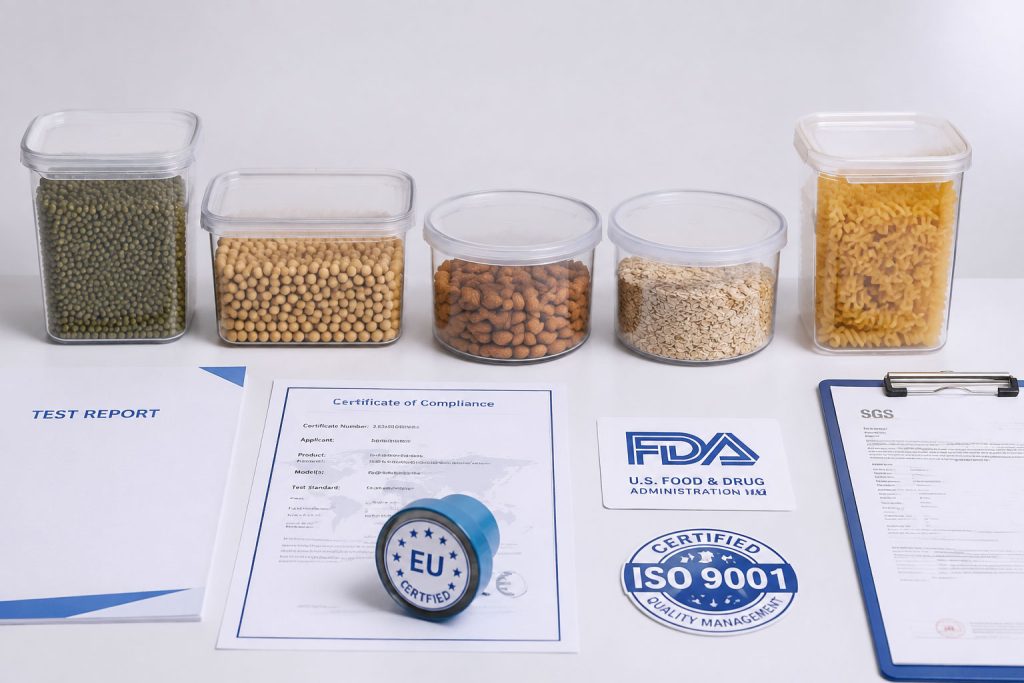
Food contact safety is non-negotiable in fresh produce packaging, and PET delivers on this front with a strong track record. PET is one of the most extensively tested food-contact materials in the world. It is approved by the U.S. Food and Drug Administration (FDA), the European Food Safety Authority (EFSA), and complies with China’s GB 9685 national standards for food contact materials.
Key food safety advantages of PET include:
- Chemical inertness: PET does not leach harmful substances into food under normal storage conditions, including refrigeration and room temperature.
- No bisphenol A (BPA): PET is naturally BPA-free, addressing a major consumer concern associated with other plastic types.
- Barrier properties: PET provides an effective barrier against oxygen and moisture, extending the freshness window for cut fruits, mixed salads, and prepared deli items.
- Allergen containment: sealed PET clamshells and containers prevent cross-contamination in mixed-product retail environments.
HGF Factory Quality Commitment: Every PET container manufactured at HGF Factory undergoes rigorous food-contact testing. Our production facility in Wuhan holds ISO 9001:2015 certification, and all materials used meet FDA 21 CFR and EU Regulation 10/2011 requirements for direct food contact.
Recyclability and Sustainability Credentials
As environmental regulations tighten worldwide and consumer expectations evolve, recyclability has become a purchasing criterion rather than a nice-to-have. PET holds a significant advantage here: it is the most widely recycled plastic globally. PET containers carry the #1 resin identification code and are accepted in curbside recycling programs across North America, Europe, and increasingly in Asia.
The recyclability of PET also enables the circular economy loop through rPET (recycled PET) production. High-quality PET packaging can be collected, processed, and reformed into new food-grade containers, reducing virgin material demand by up to 90% in terms of energy consumption. For B2B buyers seeking to meet corporate sustainability targets or ESG reporting requirements, PET packaging provides a verifiable and credible recycling narrative.
Design Versatility and Shelf Impact
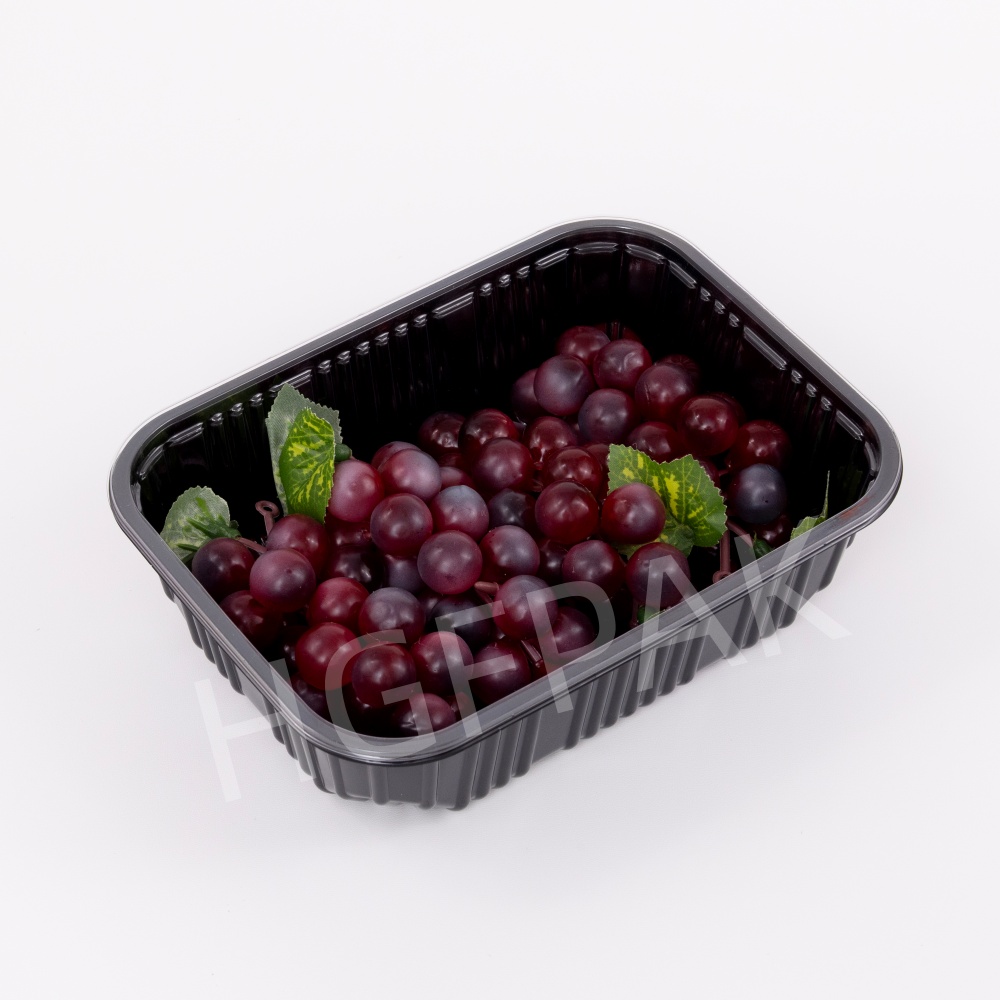
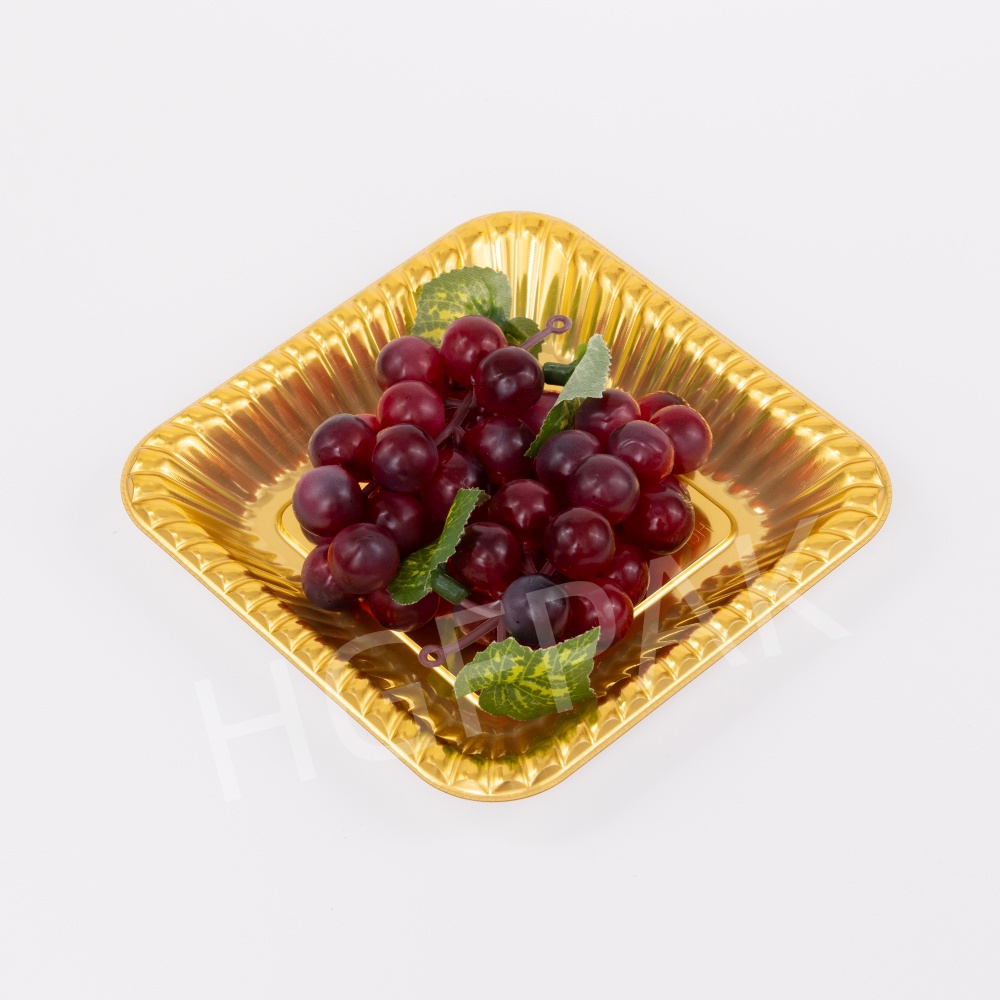
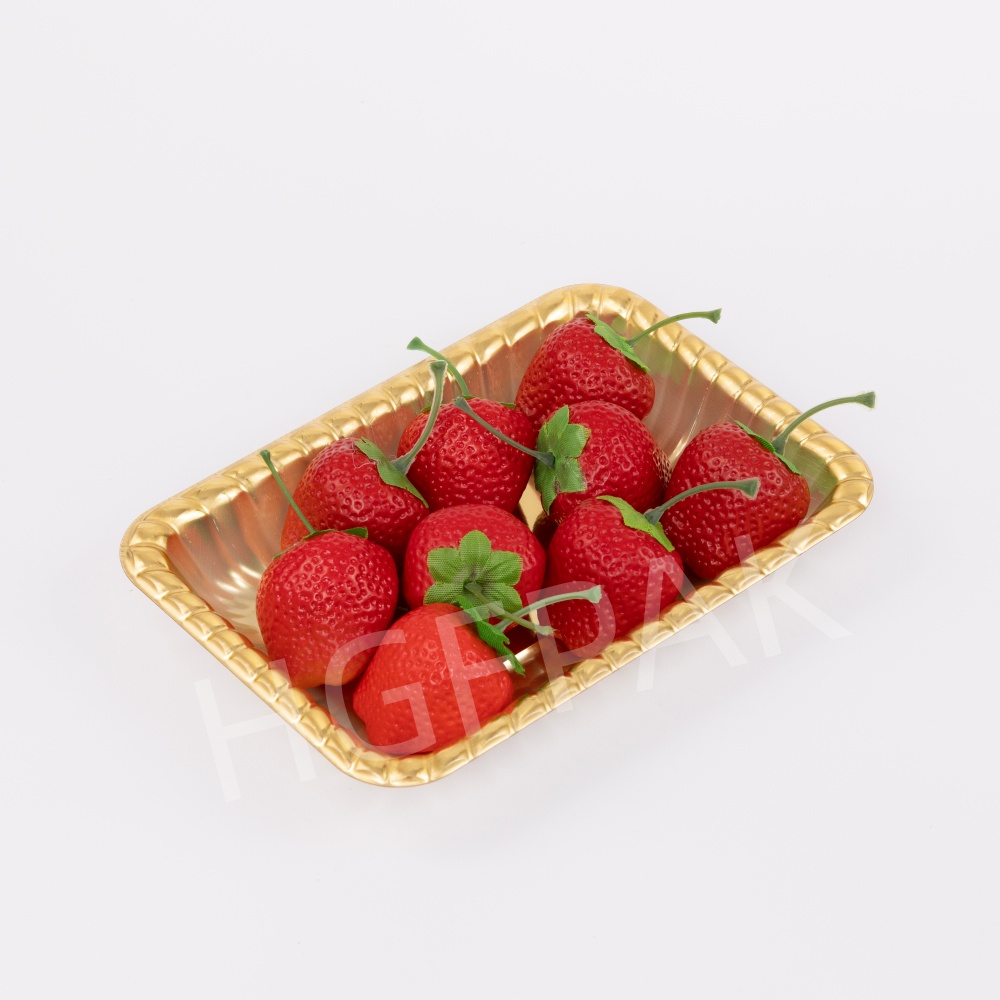
PET is remarkably versatile from a design standpoint. It can be thermoformed into an enormous range of shapes and sizes, from single-serve berry punnets to large family-size salad bowls. It supports custom embossing, color tinting, and hinged-lid designs that enhance both functionality and brand differentiation on crowded retail shelves.
At HGF Factory, our in-house CNC mold-making capability allows clients to move from concept to production-ready tooling in a matter of weeks. This rapid turnaround is critical for seasonal produce campaigns and new product launches where timing directly affects market share.
Cost Efficiency at Scale
Beyond its material properties, PET offers compelling economics for high-volume packaging operations. PET resin prices are generally stable and competitive compared to alternatives like PLA or rPET (which carry a green premium). The thermoforming process is highly efficient, with fast cycle times and minimal material waste. Scraps and trim from the manufacturing process can be reground and reintroduced, further improving material utilization rates. For large-scale distributors and retail chains, these incremental efficiencies translate into meaningful cost savings across millions of units per year.
Conclusion
PET packaging represents the intersection of performance, safety, sustainability, and value. For fresh produce suppliers and retailers looking to protect product quality, meet regulatory requirements, and appeal to environmentally conscious consumers, PET remains the material of choice. HGF Factory has been helping businesses across the globe leverage these advantages through high-quality, custom-designed PET packaging solutions manufactured in our state-of-the-art Wuhan facility.