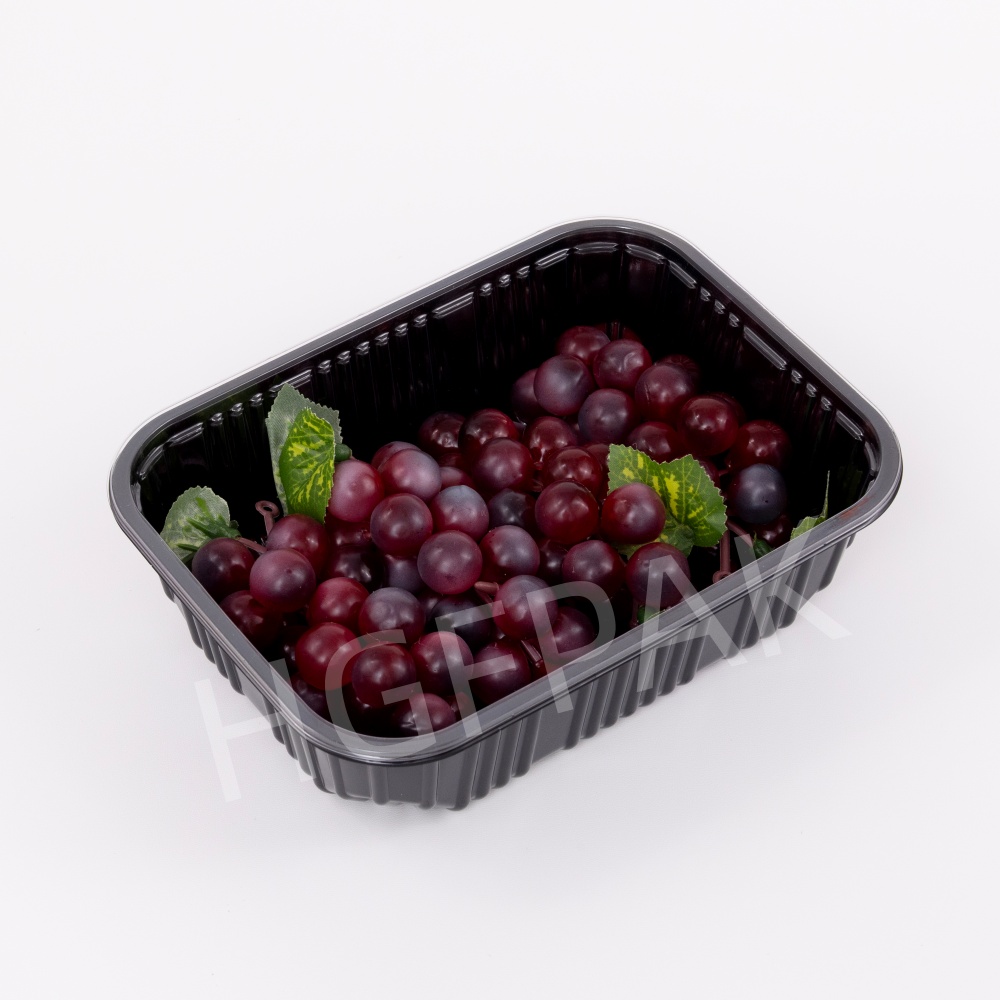
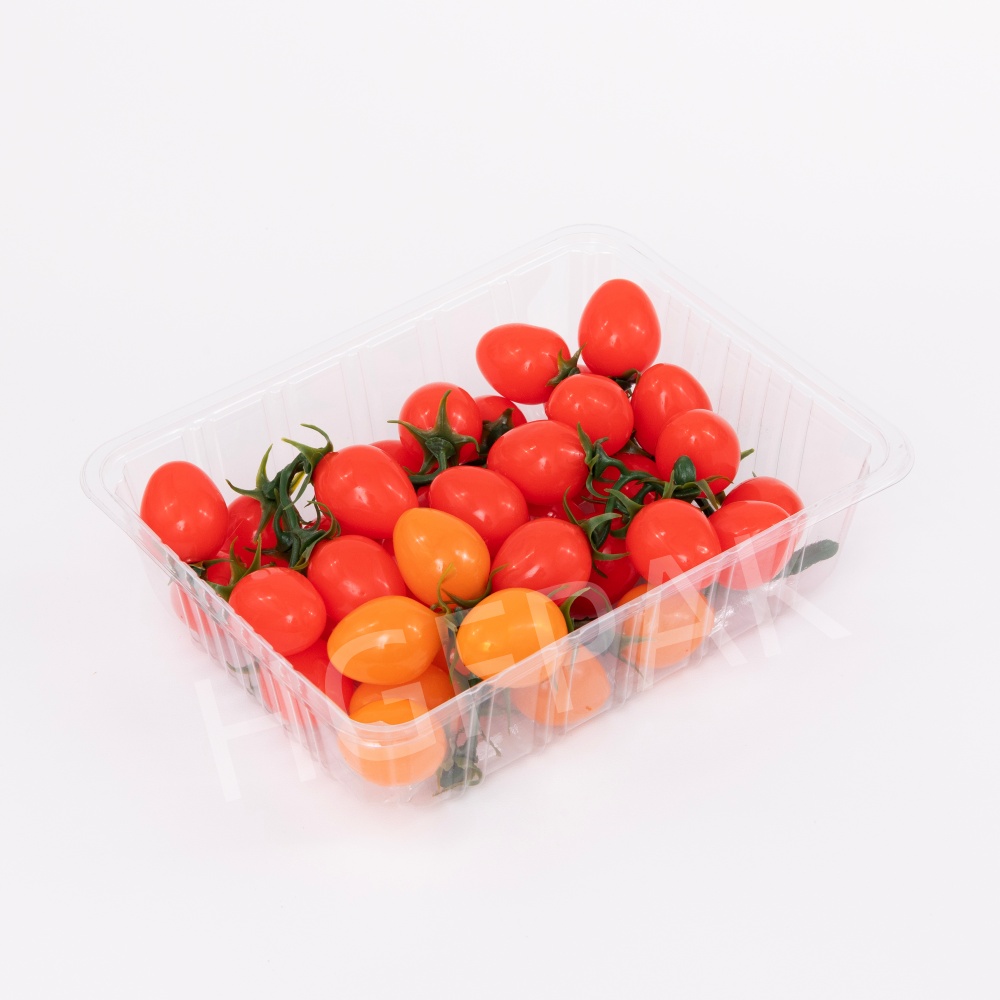
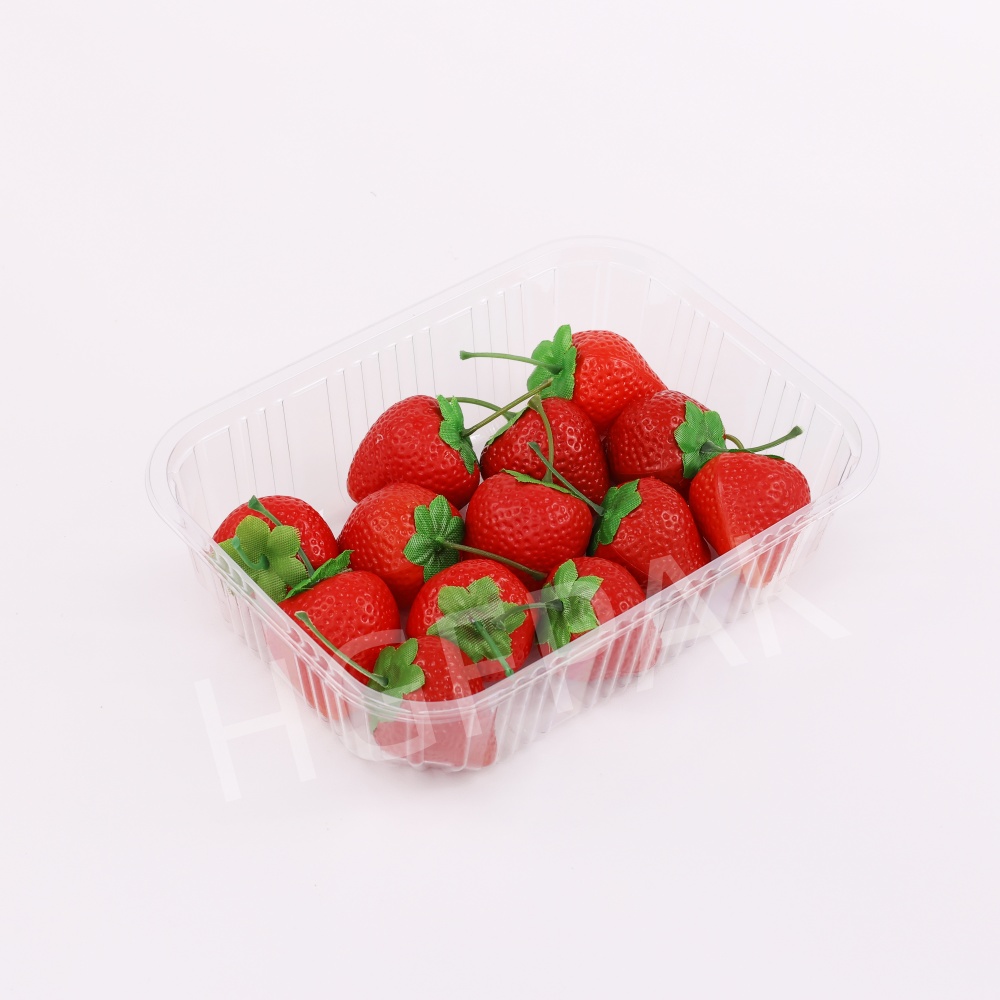
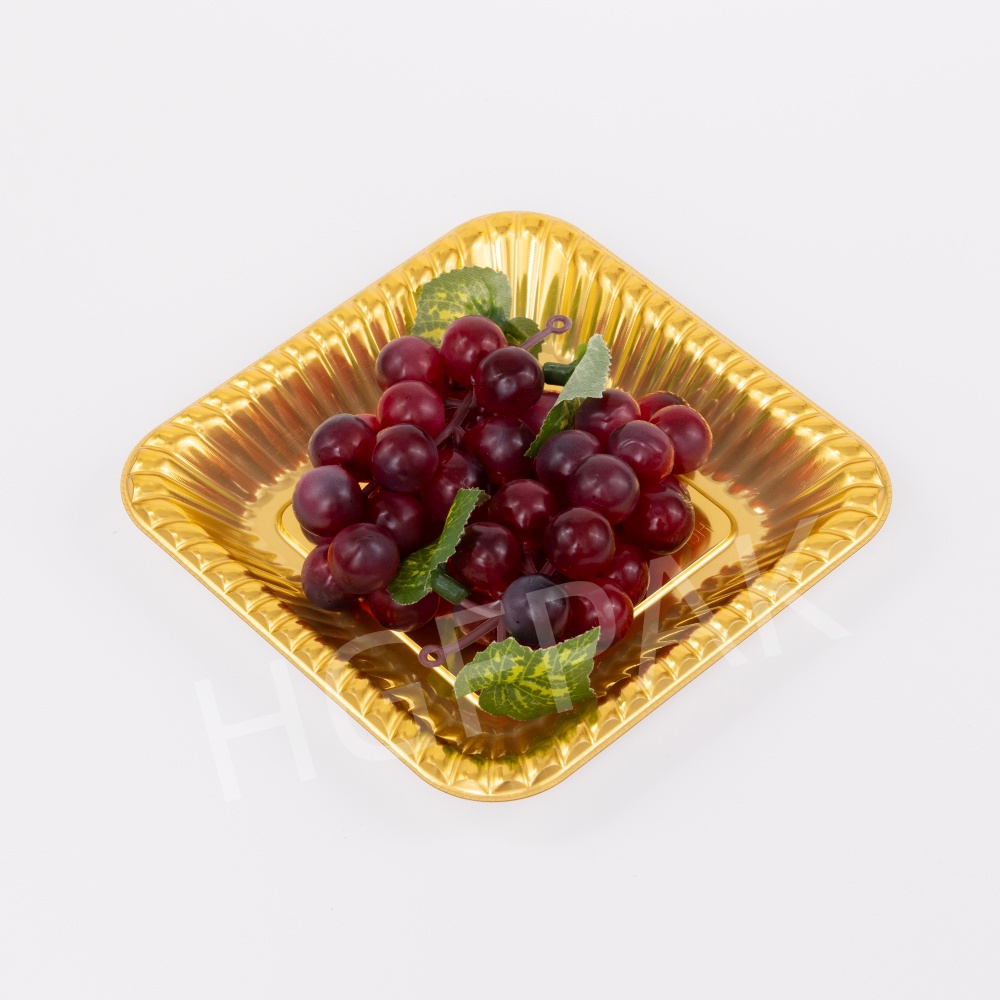
Selecting the right packaging for bakery items, deli foods, and prepared meals is about much more than holding a product. The packaging protects freshness, communicates brand quality, influences impulse purchases, and must perform reliably through the supply chain. This guide walks B2B buyers through the key considerations for making the right choice.
Understand Your Product Requirements
The first step is matching the packaging to the specific demands of your product. Different food items have different requirements around moisture, temperature, grease resistance, and physical protection. A flaky croissant needs different packaging from a dense lasagna slice, even if both sit in the same refrigerated case.
Consider these key product factors before evaluating packaging options:
- Moisture sensitivity: Does your product release moisture (like fresh-cut fruit) or absorb it (like crusty bread)? The packaging material and seal type must manage this correctly.
- Temperature range: Will the product be stored at room temperature, refrigerated, or frozen? Some PET formulations handle sub-zero temperatures without becoming brittle.
- Grease and oil content: Deli items, fried pastries, and meat products may require grease-resistant barriers to prevent staining and maintain package clarity.
- Physical fragility: Cakes, tarts, and cream-topped items need containers that protect delicate surfaces from crushing during stacking and transport.
- Shelf life targets: Longer shelf life requirements may call for modified atmosphere packaging (MAP) or enhanced barrier structures.
Packaging Types: A Comparison
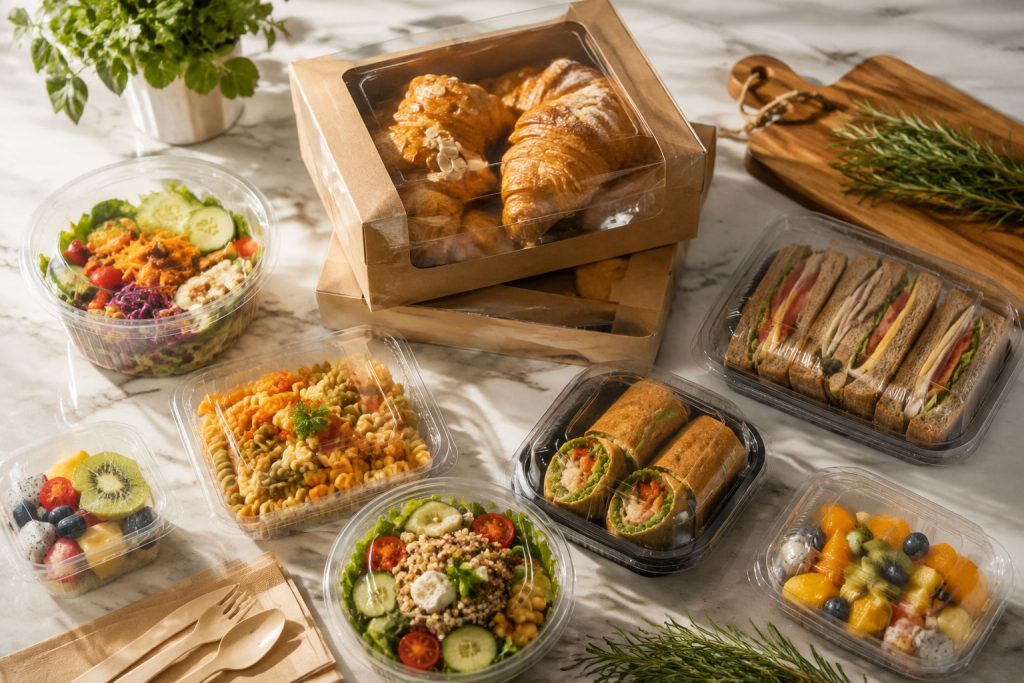
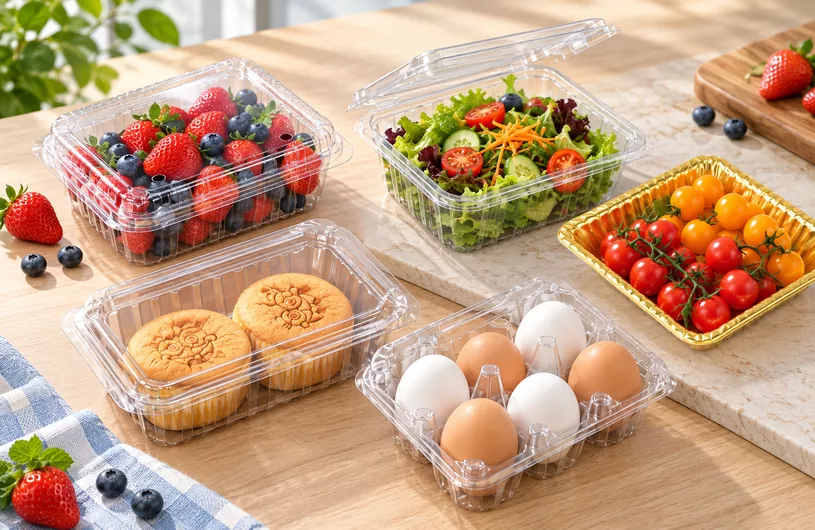
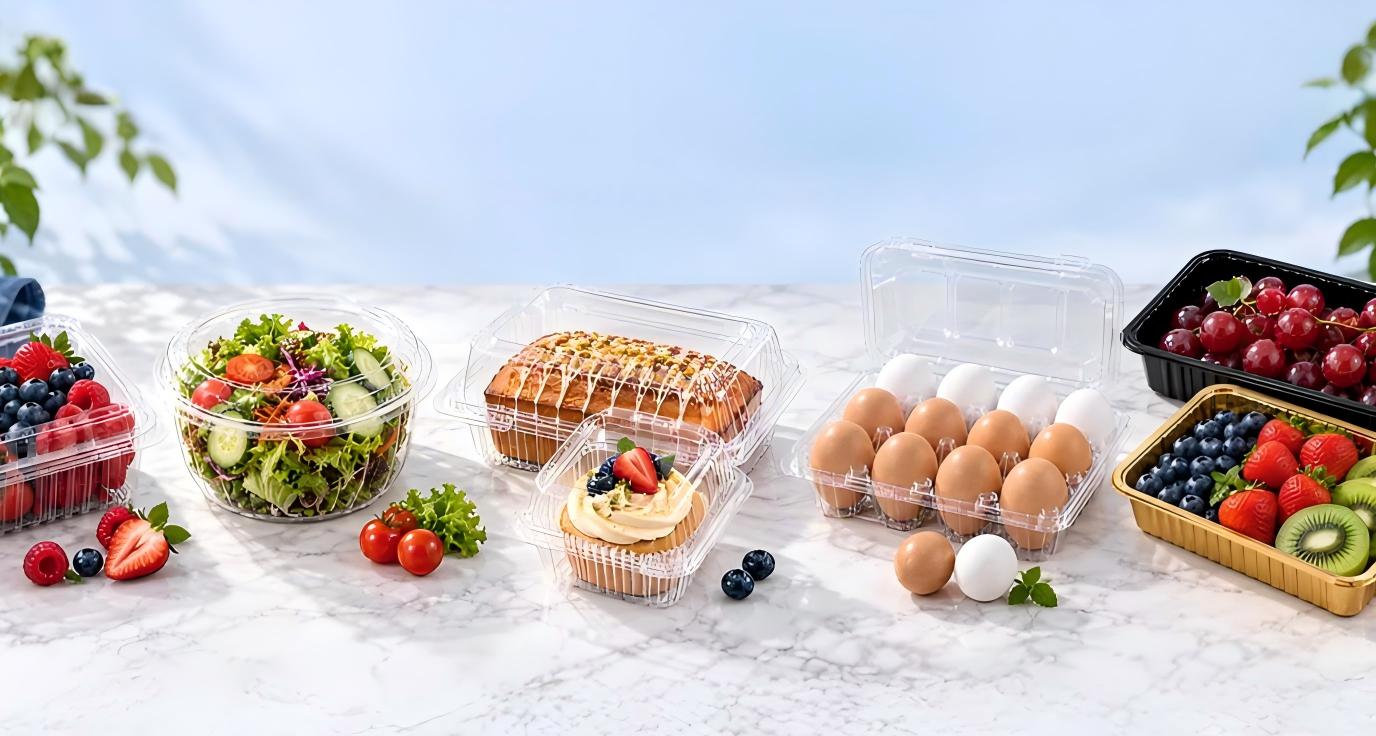
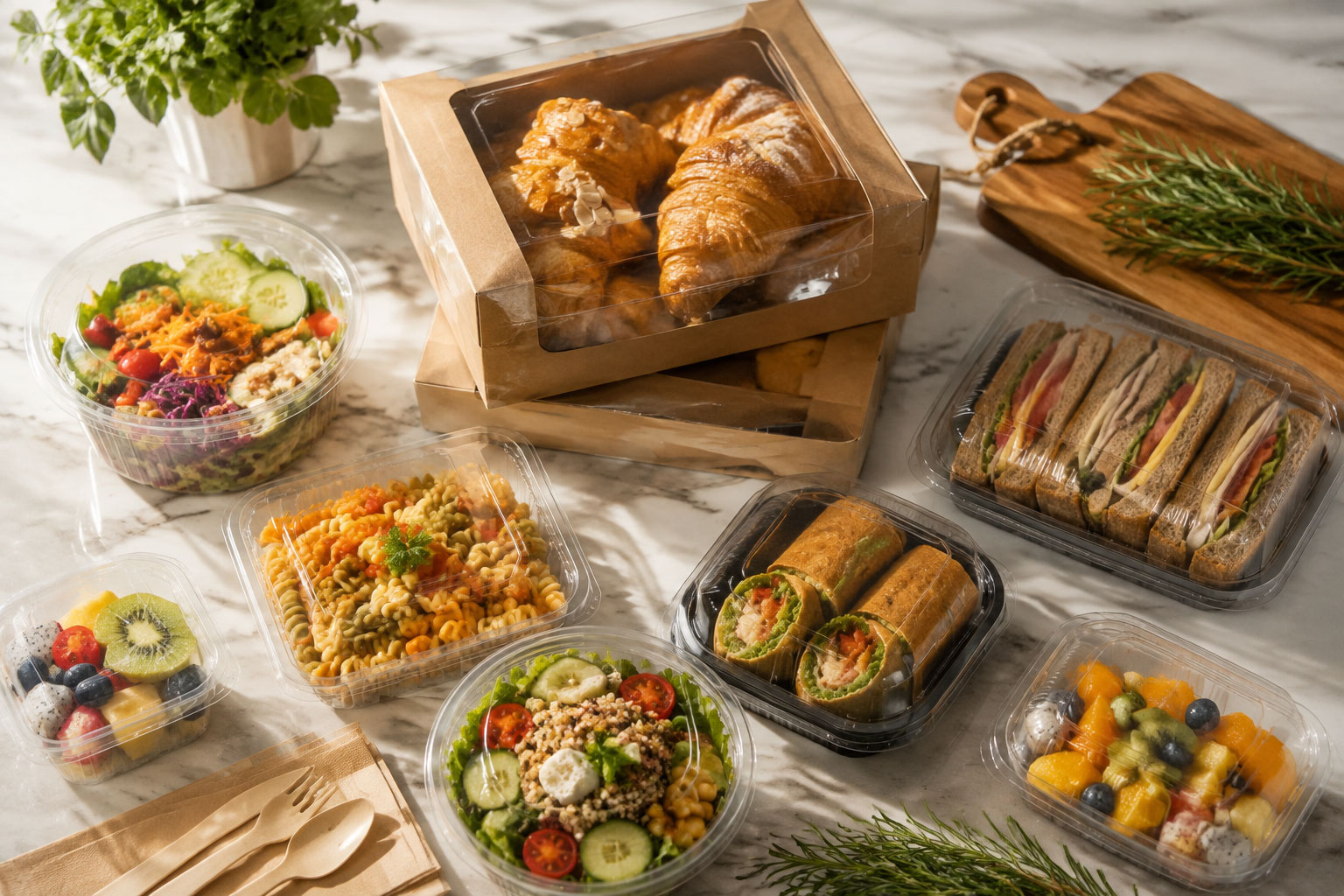
The table below summarizes the most common PET packaging formats used in bakery and deli applications, along with their key advantages and best-fit use cases.
| Packaging Type | Key Features | Ideal For |
|---|---|---|
| Clamshell with Hinge | Full 360-degree visibility, secure snap closure, stackable | Muffins, cookies, sliced cakes, donuts, croissants |
| Flat Tray with Dome Lid | Rigid base prevents sliding, tall dome accommodates toppings | Pastries with cream, stacked sandwiches, fruit platters |
| Deep rectangular Container | High-capacity, sealable, microwave-compatible options | Meal portions, lasagna, pasta dishes, rice bowls |
| Round Bowl with Lid | Ergonomic shape, easy to eat from, leak-resistant seal | Soups, salads, yogurt parfaits, poke bowls |
| Multi-compartment Tray | Separate compartments keep items isolated, single lid | Lunch boxes, combo meals, snack assortments |
| Window Box (Card + PET) | Premium feel, clear display window, eco-friendly perception | Premium bakery items, gift sets, artisan bread |
Key Selection Criteria for B2B Buyers
Beyond product compatibility, several operational factors should influence your packaging decision.
Line Compatibility
Ensure the packaging runs smoothly on your existing filling, sealing, and labeling equipment. Custom tooling may be needed for specialized shapes.
Minimum Order Quantities
High-volume buyers benefit from lower per-unit costs, but overcommitting on inventory ties up capital. HGF Factory offers flexible MOQs for growing brands.
Branding and Labeling
Consider how your label or print will apply to the container surface. Embossed logos, custom tints, and textured finishes can differentiate your products.
Sustainability Requirements
Many retailers now mandate recycled content or recyclability labels. RPET options from HGF Factory meet these requirements without redesigning your packaging.
The Importance of Prototyping
Before committing to a full production run, always request prototypes. Hold your actual product in the container. Test it in your display case. Ship it through your distribution chain. Stack it as your retailers would. The few days invested in prototyping can prevent costly mistakes in production and protect your brand from packaging failures in the market.
HGF Factory offers a rapid prototyping service using production-grade materials and tooling. Clients receive physical samples within 7 to 10 business days of design approval, allowing real-world testing before committing to a production order.
Pro Tip from HGF Factory: When evaluating packaging, always test with your actual product at the actual storage temperature. A container that performs perfectly at room temperature may behave differently at 4 degrees Celsius, especially regarding lid seal tightness and hinge flexibility.
Working with the Right Manufacturer
The relationship between a food brand and its packaging manufacturer extends far beyond a simple transaction. The best outcomes come from partnerships where the manufacturer understands your market, your operational constraints, and your growth ambitions. Look for a supplier who offers engineering support, not just production capacity. A good packaging partner will proactively suggest design improvements, material alternatives, and cost optimization opportunities.
HGF Factory has built its reputation on this partnership approach. Serving clients across North America, Europe, and Asia-Pacific from our Wuhan facility, we combine competitive pricing with the technical depth and quality rigor that international food brands require. Every project is managed by a dedicated account engineer who serves as your single point of contact from initial consultation through ongoing production.
Conclusion
Choosing the right bakery and deli packaging requires a thoughtful evaluation of product needs, operational compatibility, brand positioning, and sustainability goals. The investment in making this decision correctly pays dividends in product protection, customer satisfaction, and supply chain efficiency. HGF Factory is here to guide you through every step of that selection process.